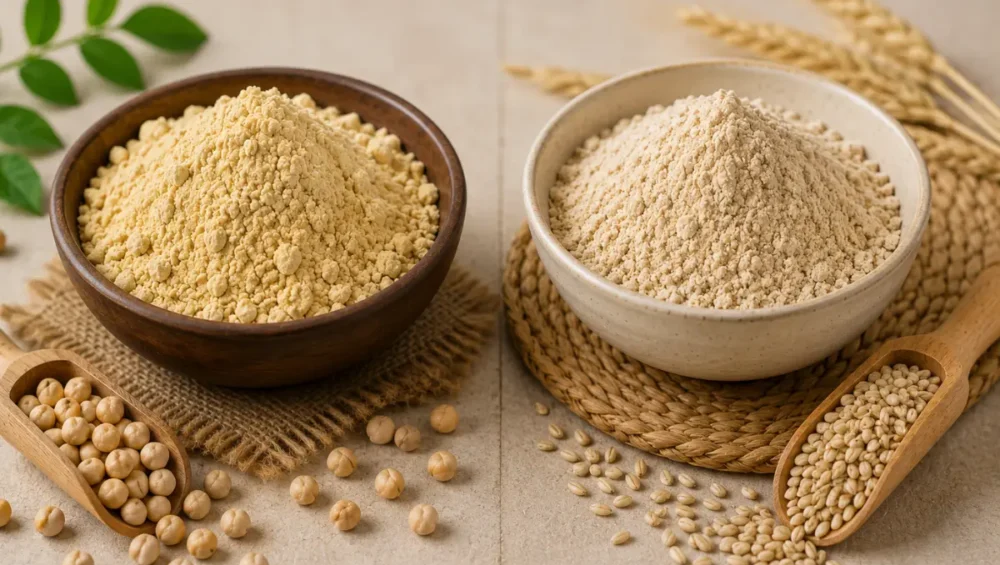
Think of sattu as the quiet overachiever of the Indian pantry. It does not come with flashy packaging or a complicated recipe, yet a little roasted flour can turn into a breakfast, a refreshing drink, a filling for litti, or a quick snack. The interesting part is that the ingredient behind the sattu can change what it brings to the table.
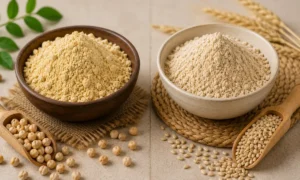
That is where Jau Sattu and Chana Sattu enter the picture! Jau Sattu is made from roasted barley, while Chana Sattu is made from roasted Bengal gram. They share the same easy-going nature, but their nutritional strengths are different. Chana Sattu generally has more protein, while barley is particularly valued for its fibre, including beta-glucan.
So, is one actually better than the other? Not necessarily! The more interesting question is: which one works better for you? Let’s put them head-to-head.
1) Protein: Which One Packs More?
Jau Sattu does provide protein, but barley is a cereal grain and is not particularly rich in protein compared with pulses. Its bigger nutritional attraction is its fibre content and the benefits of including a whole grain in your diet. So, if protein is the main thing you are looking for, jau sattu may not be the first choice.
Chana Sattu has the upper hand here. It is made from Bengal gram, a pulse that naturally provides more protein than barley. In fact, Indian food standards specify a minimum crude protein level of 20% for roasted Bengal gram flour. This makes Chana Sattu a convenient way to add plant-based protein to everyday meals.
2) Fibre: Which One Keeps Your Gut Happy?
Barley is particularly well known for its dietary fibre, including beta-glucan, a type of soluble fibre. This gives Jau sattu an interesting nutritional advantage. Including barley-based foods in a balanced diet can be a simple way to increase your overall fibre intake while adding some variety to your meals.
Chana Sattu is no slouch when it comes to fibre either! Bengal gram provides dietary fibre, and the combination of fibre and protein can make Chana sattu quite satisfying. However, there is one small catch: if your regular diet is low in fibre, eating a large amount of sattu suddenly may leave you feeling bloated or uncomfortable. Start with a reasonable serving and give your body time to adjust.
3) Fullness: Which One Keeps Hunger Away?
Jau Sattu can make a satisfying addition to a meal because it provides carbohydrates along with fibre. Fibre can contribute to feelings of fullness, making it a useful part of a balanced breakfast or snack. Pairing it with other nutritious foods can make the meal even more satisfying.
Chana Sattu gets another point here because of its combination of protein and fibre. These nutrients can both contribute to satiety, making chana sattu a particularly filling option. A glass of savoury chana sattu or a chana sattu-based breakfast can be a much more satisfying choice than constantly reaching for small snacks between meals.
4) Gluten: Is There A Difference?
This is an important difference that should not be overlooked. Barley naturally contains gluten, which means jau sattu is not suitable for people who need to follow a strict gluten-free diet, including people with coeliac disease.
Pure chana sattu is naturally gluten-free because Bengal gram is a legume rather than a cereal grain. However, if you have a medical reason to avoid gluten, do not assume that every packaged chana sattu product is automatically safe. Check the label and consider the possibility of cross-contact during processing.
5) Summer Refreshment: Which One Wins?
Jau Sattu can be turned into a refreshing drink with chilled water, lemon, salt and spices. Its mild, earthy flavour works well with savoury ingredients. It can be a nice change when you want something different from your usual summer beverages.
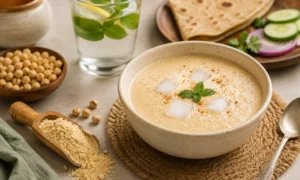
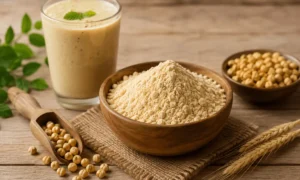
Chana Sattu is perhaps the more familiar choice for the classic Indian sattu drink. Mix it with water, lemon, roasted cumin, black salt and coriander, and you have a simple, savoury drink with plenty of flavour. It is particularly enjoyable on a hot day. Just remember that while sattu can contribute to your overall fluid intake, it should not replace plain water, especially when you are sweating or spending time outdoors.
6) Versatility: Which One Can Do More?
Jau sattu can be used in drinks and a variety of flour-based preparations. Its slightly nutty, earthy flavour can add character to simple recipes. It is also an easy way to experiment with barley without having to completely change the way you cook.
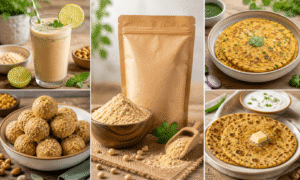
Chana Sattu is exceptionally versatile. It can be turned into a drink, mixed with spices and vegetables for a filling, used in litti and parathas, or incorporated into chillas and other savoury preparations. If you enjoy traditional Indian food with a modern twist, chana sattu gives you plenty of room to experiment.
7) Overall Nutrition: Which One Should You Pick?
Jau sattu is a good option if you want to include barley and its fibre in your diet. It can be part of a balanced eating pattern and offers a different nutritional profile from pulse-based sattu. For people who enjoy whole grains and do not need to avoid gluten, it can be a useful addition to the menu.
Chana sattu may be the more appealing choice if your focus is on plant-based protein along with fibre. It is naturally gluten-free, filling and remarkably easy to incorporate into everyday Indian meals. That combination makes it a particularly practical choice for many people.
| Feature | Jau Sattu | Chana Sattu |
| Primary Ingredient | Roasted Barley | Roasted Bengal Gram |
| Food Group | Cereal Grain | Pulse/Legume |
| Protein | ~9–14 g per 100 g | ~20–22 g per 100 g |
| Fibre | Notable for soluble fibre, including β-glucan | Rich in dietary fibre |
| Gluten | Contains gluten | Naturally gluten-free |
| Carbohydrate | Relatively high, as it is a cereal-based food | Moderate to high, but with considerably more protein |
| Typical Taste | Mild, earthy and slightly malty | Nutty, roasted and earthy |
Also Read: Sattu Vs. Protein Powders: Which One Wins?
In Summary
So, Jau Sattu or Chana Sattu — which one is better? The honest answer is that it depends on what you want from your food!
If protein is high on your priority list, chana sattu has the advantage. If you want to add barley and its fibre to your diet, jau sattu is worth considering. And if gluten is a concern, chana sattu is the more suitable choice, provided the product is pure and free from cross-contact.
The good news is that you do not really have to pick a permanent winner. Both varieties can have a place in a varied and balanced diet. The trick is to keep your preparations simple, pay attention to portion sizes, avoid going overboard with added sugar or salt, and enjoy sattu alongside a variety of other nutritious foods.
After all, the beauty of sattu is not just in its nutrition. It is in how effortlessly it fits into everyday life. Simple, filling, versatile and rooted in Indian food traditions, that is a pretty good reason to keep both varieties on the table.
Turn Up the Goodness with IndoSattva, visit our website right now!