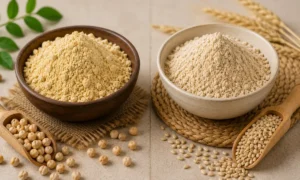
Sattu has a special place in many Indian kitchens. One day, it becomes a refreshing summer drink; the next, it turns into a filling paratha, litti, laddoo, or a quick meal when you want something simple. It is convenient, nutritious, and wonderfully easy to use. But there is one small problem: once you open a packet of sattu, how do you make sure it stays as fresh as the day you bought it?
The answer is not complicated. Sattu is a dry powder, so it mainly needs protection from moisture, heat, air, insects, and strong smells. Store it carelessly, and it can lose its lovely roasted aroma or develop lumps. Store it properly, and it can remain ready for your next glass, paratha, or snack.
Here Are Eight Easy Habits That Can Help Storing Sattu Powder The Right Way!
1) Give Sattu An Airtight Home
The packet may be fine for short-term use, but once opened, an airtight container is your best friend. Transfer the sattu to a clean, completely dry glass, stainless-steel, or food-grade plastic container with a tight-fitting lid.
Why make this extra effort? Because every time air and moisture get inside, the powder gets another chance to lose its freshness. A properly sealed container also keeps dust and insects away. Before filling the container, make sure there is absolutely no moisture left inside. Even a little leftover water can cause problems later.
2) Keep Water Far, Far Away
If sattu had a rulebook, “Stay Dry” would probably be rule number one. Moisture can make the powder clump, affect its texture, and eventually encourage spoilage. This becomes particularly important during humid weather.
Use a completely dry spoon every time you scoop out sattu. Do not use the same wet spoon you just used for preparing a drink or cooking. Also, avoid keeping the container near the sink, kettle, or a place where cooking steam regularly reaches it. Dry spoon. Dry container. Dry surroundings. Simple, but surprisingly important.
3) Find A Cool Corner For It
Your sattu does not need a glamorous storage spot. It just needs a cool, dry corner away from direct sunlight. A kitchen cupboard or pantry works well when it is away from the stove and other heat sources. Constant exposure to heat can gradually affect the powder’s flavour and quality. Think of it this way: if a shelf feels hot and uncomfortable for you, it is probably not the best permanent address for your sattu either.
4) Consider The Fridge In Hot Or Humid Weather
Sattu generally does not need refrigeration if it is properly dried and stored in an airtight container. Room-temperature storage is perfectly practical in suitable conditions. However, if your kitchen is particularly hot or humid, refrigeration can be useful, especially for homemade sattu.
If you choose this option, keep it tightly sealed in a moisture-resistant container. One useful trick is to avoid repeatedly opening a cold container immediately after taking it out of the refrigerator. Let the sealed container come closer to room temperature first. This helps reduce condensation inside.
5) Don’t Buy More Than You Can Use
A giant bag of sattu may look like a great deal until half of it sits forgotten at the back of the cupboard. If you use sattu regularly, buying a larger quantity can make sense. But if you only reach for it occasionally, choose an amount you can reasonably finish within its recommended storage period.
For homemade sattu, allow roasted ingredients to cool completely before grinding and storing them. And for packaged products, always follow the manufacturer’s storage instructions and check the best-before or use-by information. Freshness is easier to maintain when the powder does not spend months waiting for its turn.
6) Don’t Let Sattu Become A Sponge For Kitchen Smells
Sattu has its own pleasant roasted aroma. You don’t want it suddenly smelling like yesterday’s pickle. Dry powders can absorb strong surrounding odours, particularly when their container is poorly sealed. Keep sattu away from foods such as pickles, onions, garlic, and strongly aromatic spices.
A clean container matters here too. If you are reusing a jar, wash it properly and let it dry completely before adding fresh sattu. Otherwise, the previous contents may leave behind an unwanted smell.
7) Give It A Quick Check Before Every Use
Even if your sattu has been stored carefully, take a moment to look and smell before using it. It should have its normal appearance and roasted aroma. Be cautious if you notice mould, unusual colour changes, insects, excessive dampness, a musty or sour smell, or anything else that seems clearly different.
And remember: don’t taste questionable sattu just to decide whether it is still good. If there are obvious signs of spoilage, it is safer to throw it away. The best-before date is useful, but storage conditions matter too.
8) Label Your Homemade Sattu
Homemade sattu can be incredibly satisfying, especially when you roast and prepare the ingredients yourself. But once it is sitting in a jar, it can be surprisingly easy to forget when you made it. Add the preparation date to the container. If you make different varieties, label them clearly so you know exactly what you are reaching for.
You can also divide a larger batch into smaller airtight containers. This is especially useful if you use sattu regularly. Instead of opening the entire supply every day, you can use one portion while keeping the rest sealed. It is a tiny organisational trick that can make a noticeable difference.
In Conclusion
Storing sattu properly does not require special equipment or a complicated routine. Think of it as giving this humble kitchen staple a little protection from the things it dislikes most: moisture, heat, air, sunlight, insects, and strong odours. Keep it in a clean airtight container, use a dry spoon, choose a cool storage spot, and check its smell and appearance before using it.
In particularly hot or humid conditions, refrigeration can also be considered when appropriate. Most importantly, buy or prepare an amount that you can actually use. After all, sattu is meant to make life easier, not become another forgotten jar at the back of the kitchen shelf.
Sattu doesn’t have to be boring. Come see for yourself at IndoSattva!